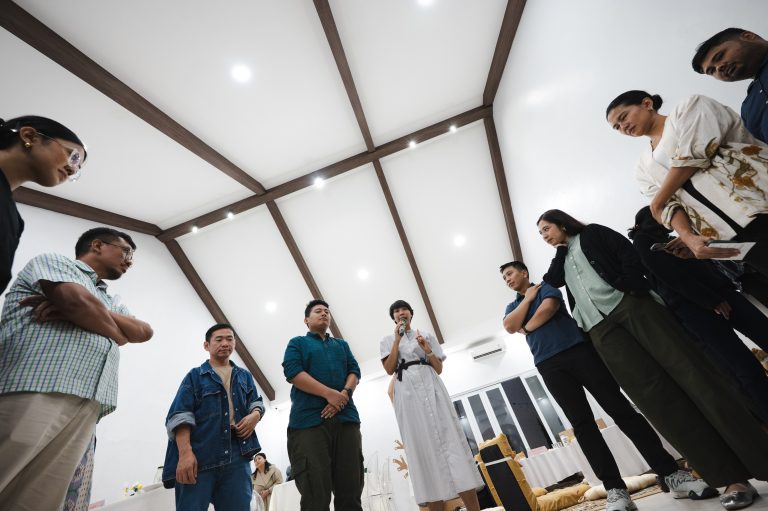


In the quiet hours before dawn in a rural Indonesian village, a specific kind of stillness fills the air. This silence vibrates with life. The distant rustle of bamboo and the faint vibration of the earth beginning to wake reach the ears. In music, specifically the rhythmic cycles of the gamelan, the most profound moment resides in the space after a note is struck. This is the wilet, the space where the sound expands and touches everything in the room.
This principle applies deeply to the practice of leadership. A frequent assumption exists that leadership requires constant output. The modern world demands that leaders speak, decide, and maintain the most visible presence across every digital channel. Yet, when every available second is filled with noise, the very quality that makes leadership effective often disappears. That quality is resonance.
Resonant leadership is a framework centered on emotional and social intelligence. Research by Richard Boyatzis and Annie McKee, as detailed in Harvard Business Review, suggests that the primary task of a leader involves managing the emotional climate of a team. Just as a tuning fork causes another to vibrate at the same frequency, the internal state of a leader tends to spread to those nearby. This phenomenon, known as emotional contagion, means a hurried and reactive leader creates a dissonant environment. A present and grounded leader fosters a resonant one.
Detailed research on how emotional intelligence serves as a hidden driver of performance is available in this Harvard Business Review article on primal leadership. Cultivating this resonance requires the use of an intentional gap. This deliberate pause allows a person to stop the cycle of doing and begin the process of noticing. Within this gap, focus shifts away from the pressure of performance and toward the humility of connection.
The Weight of Constant Response
In current workplace cultures, especially within the fast-paced environments of Indonesia, many teams expect quick replies, even for complex issues. An invisible weight exists to reply to every message instantly and to provide solutions for every problem the moment they arise. Speed is accepted as a proxy for competence.
However, living in a state of constant reaction often means operating from what Boyatzis calls the “Sacrifice Syndrome.” This is a state of chronic stress where the body stays in a permanent “fight or flight” mode. This leads to fatigue, defensiveness, and a short sighted perspective. Such a state creates a dissonant environment where a team feels managed. Targets are hit while the people start to feel tired, disconnected, and less engaged.
Additional information regarding the recovery from sacrifice syndrome is found in this discussion on becoming a resonant leader.
Eliminating the pause in a day causes a shift from leading people to simply managing tasks. It becomes difficult to see the subtle shifts in the mood of a colleague or the hesitation in the voice of a teammate. This is the high cost of the “always on” signal. Rushing to provide answers often results in overlooking the deeper questions that truly matter.
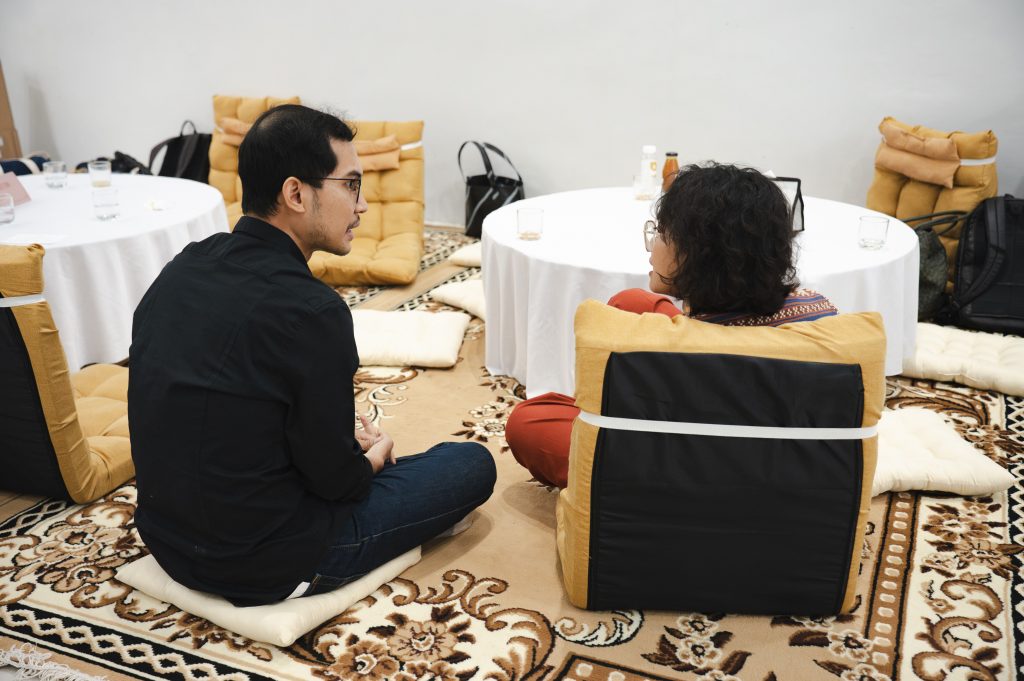
Mindfulness and the Emotional Climate
At the heart of resonant leadership is mindfulness. This involves the practice of being fully present within the world. It starts with a humble recognition of one’s own emotional state. If a leader enters a meeting feeling anxious, that anxiety colors the entire conversation, regardless of the words used.
The intentional gap serves as a moment of calibration. It is a space to consider what is being brought into the room. It allows for the choice to bring a sense of calm. In Indonesian culture, where harmony is deeply valued, the ability to read the internal and external emotional climate is essential.
Taking a moment to breathe before speaking allows emotions to settle. This creates a grounded presence. It allows the room to be seen with clarity and for the unvoiced concerns of others to be sensed. This is the foundation of resonance. The ability to be present helps others feel safe enough to be present as well.
Compassion as a Relational Anchor
Resonant leadership relies on compassion and hope. These qualities are sources of profound strength.
Hope helps teams keep going, especially when things feel uncertain, even when the present feels difficult. In times of crisis, a team looks to a leader for a reason to continue the journey.
Compassion involves the willingness to see the person behind the professional role. Resonance is built through small, human connections. It is built when a busy schedule is paused to truly listen to a team member who is struggling.
Practicing the intentional gap provides the distance needed to see the larger picture. It offers the space to reconnect with a core purpose and the values that drive the work. As Professor Michael Beer of Harvard Business School explores in his work on “Organizational Silence,” creating these spaces for honest conversation is vital.
Harvard Business School provides a comprehensive guide on how to open an organization to honest conversations through the work of Professor Beer.
When a leader speaks from a place of centered hope and invites unvarnished truth, the message resonates deeply. It provides the team with a sense of stability and a shared direction.
Practicing the Rhythm of Resonance
Building a resonant leadership style is a daily practice. It is a rhythm to be learned over time. Several ways exist to incorporate this into professional life, even if the execution remains imperfect.
- The Ten Second Threshold: Before responding to an email that causes frustration or a question that feels like a challenge, wait for ten seconds. This small gap allows the mind to move from a state of reaction to a state of response.
- Let others speak first: Aim to be the last person to speak in a meeting. By holding silence, the collective intelligence of the team is allowed to surface first. Listening becomes a way to understand the feelings and motivations behind the words.
- The Midday Reset: Find small moments for a reset throughout the day. This might involve five minutes of quiet sitting or a brief walk without a phone. These gaps act as a buffer to prevent the stress of one task from leaking into the next.
- The Inquiry Pause: Instead of providing an immediate solution, offer a silent nod followed by a question. This encourages the team to develop their own thinking and fosters a culture of self-reliance.

The Stewardship of Presence
Ultimately, leading with resonance is a form of stewardship. A leader is entrusted with the time, energy, and emotional well being of the people they lead. When clarity is protected through the intentional gap, the integrity of the entire team is protected.
True leadership is found in being the most present voice in the room. It is a humble path that requires valuing relationships over ego and reflection over reaction. In the coming days, it may be worth asking where more space can be created. Sometimes, saying less helps people understand more. The resonance created in those quiet gaps may be the very thing that helps a team truly thrive. This intentional stillness provides the fuel for the next movement, ensuring that every action is taken with purpose and every word is spoken with heart.